Manual Roofing Inspections: The Traditional Approach
Traditional roofing inspections involve a skilled inspector physically examining your roof, looking for visible damage, wear, and potential issues. This method relies heavily on human expertise and can be quite thorough for identifying obvious problems like missing shingles or visible leaks. However, it can be time-consuming and may pose safety risks for inspectors, especially on steep or damaged roofs. The scope of a manual inspection is limited to what's visually accessible.
Automated Roofing Inspections: Using Technology
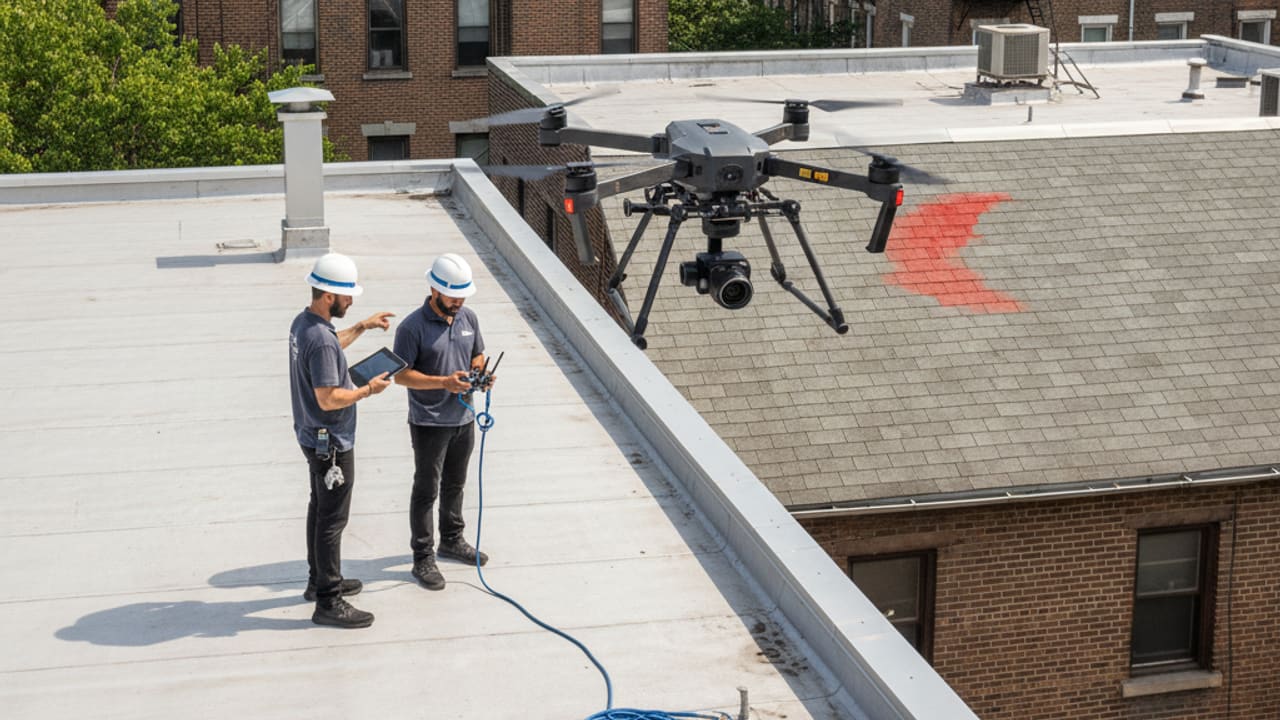
Advanced roofing inspections, often involving drones or specialized imaging equipment, offer a different approach. These methods can quickly cover large areas, capture high-resolution images, and even detect subtle thermal anomalies or moisture issues that aren't visible to the naked eye. This leads to more data-driven assessments and a more complete picture of your roof's condition. The return on investment for these methods often comes from early detection of problems, preventing minor issues from escalating into expensive repairs.
Analyzing the Automated vs Manual Gate ROI in Roofing Inspections
When comparing the two, the automated vs manual roofing inspection ROI is not always about immediate cost savings. While an automated inspection might have a higher upfront cost due to technology, its ability to provide a more complete and thorough assessment can save significant money in the long run by identifying issues before they become catastrophic failures. For instance, detecting a small leak with thermal imaging before it causes structural damage can prevent major repair expenses. This proactive approach extends roof life and avoids urgent, costly fixes. We believe a competitor gap target exists in truly explaining these unseen long-term values.
Beyond Cost: Accuracy, Safety, and Complete Data
Beyond the financial return on investment, advanced roofing inspections offer improved safety by reducing the need for personnel on the roof, especially in hazardous conditions. They also provide superior accuracy and consistency in data collection, which can be invaluable for insurance claims or long-term maintenance planning. High-resolution images and detailed reports give property owners a clear understanding of their roof's status. TipTop Roofing Williamsburg brings over 15 years of experience to interpreting this data.
Making the Right Choice for Your Property
The best inspection method depends on your specific needs and roof type. For routine checks of a relatively simple roof, a skilled manual inspection may suffice. However, for large commercial properties, complex structures, or detailed damage assessments after a storm, advanced methods provide unmatched precision and data. A combination of both approaches, where advanced tools pinpoint areas for closer manual inspection, often yields the most effective results. We are licensed, bonded, and fully insured to provide both.
Protect Your Investment with Expert Roofing Services
Whether you opt for a traditional or advanced inspection, the goal remains the same: to ensure the integrity and longevity of your roof. Regular inspections, coupled with timely roof repair or roof replacement when needed, are critical for property maintenance. TipTop Roofing Williamsburg serves Williamsburg and surrounding Brooklyn neighborhoods, providing expert roof inspection and a full range of exterior services to keep your property safe and sound.